Four papers from the team that builds HONESTAS, on what an AI-assisted insurance decision owes the people who will question it, and how to build the record that answers them. Each one comes with its sources.
Four papersSent by a person, on requestSources included
The papers
Four questions, worked through.
Ask for any of them and a person sends the paper with its sources. Where a figure rests on a simulation run, the run comes with it so you can repeat it.
Paper 01 · Regulation
The accountability gap in insurance AI
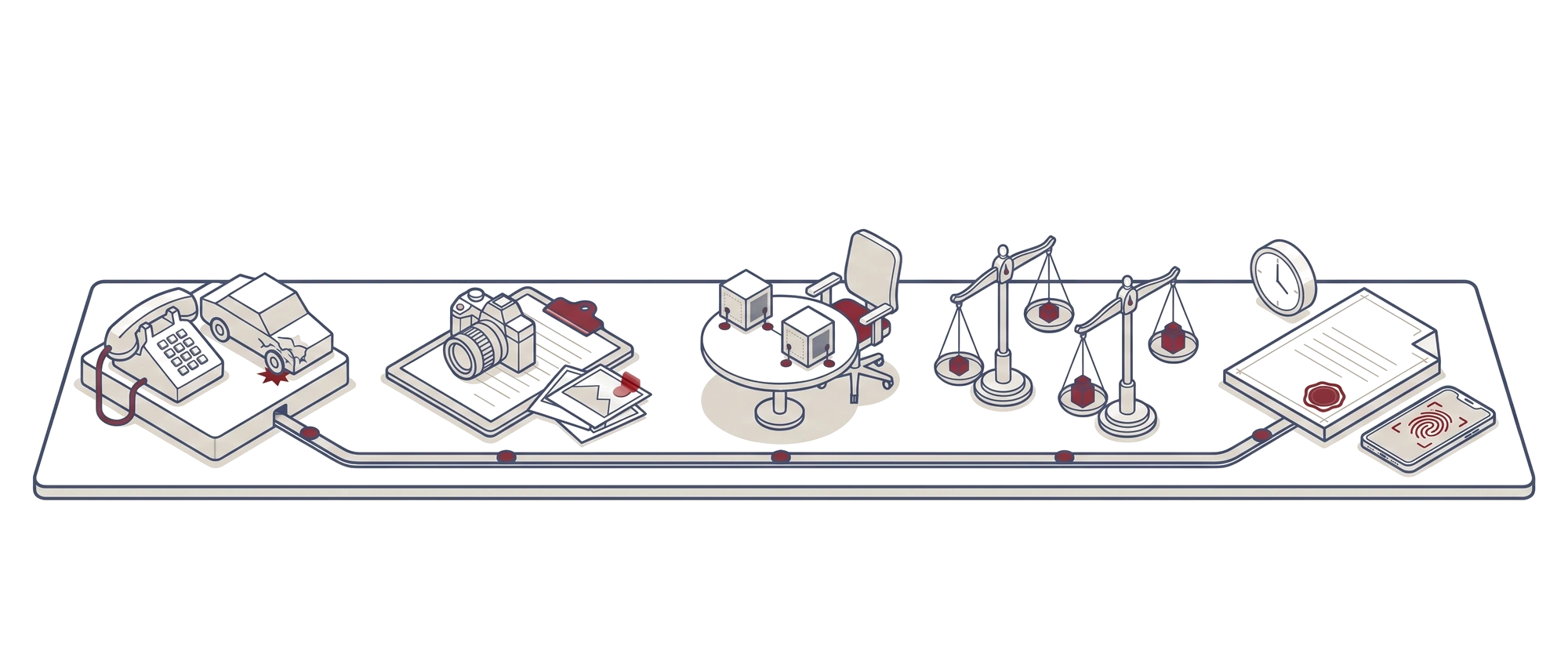
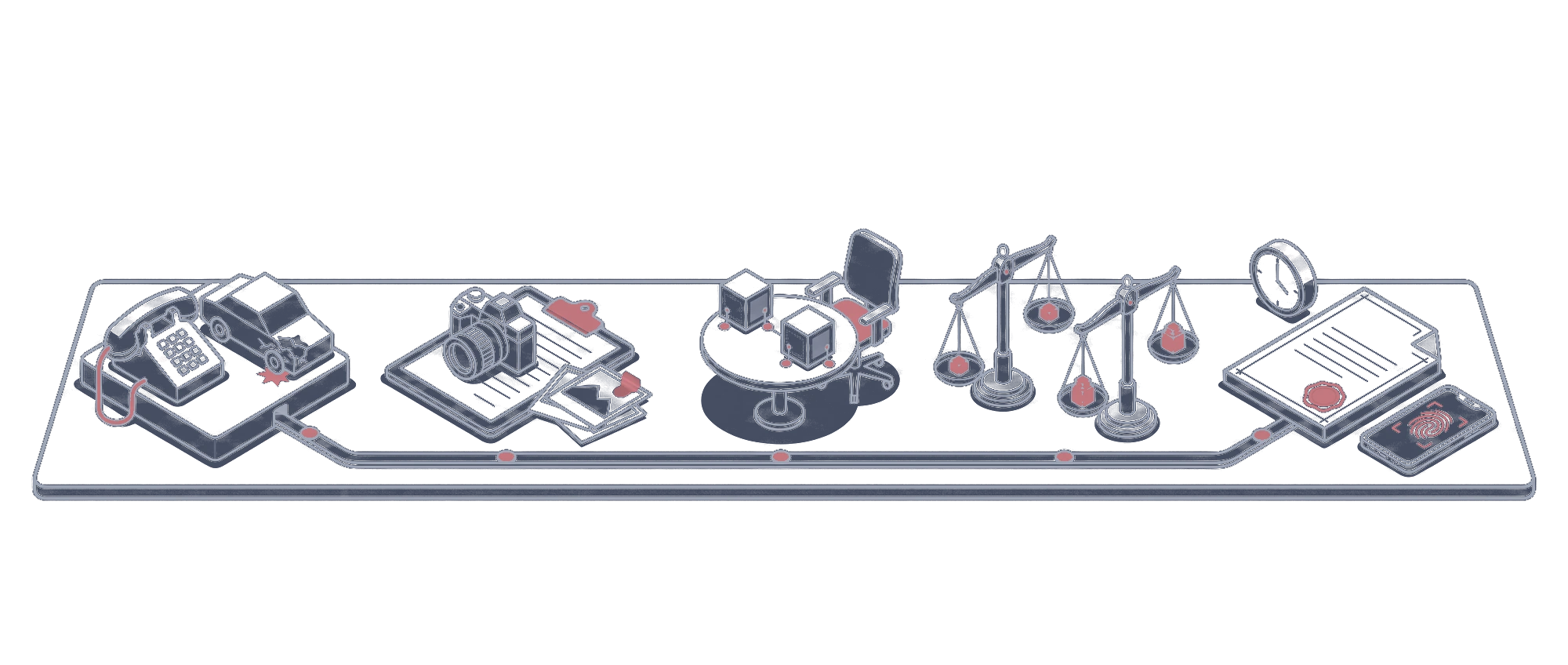
What the EU AI Act asks of a single high-risk decision in life and health pricing, through record-keeping (Article 12) and human oversight (Article 14), and what GDPR Articles 15 and 22 and the Court of Justice's ruling in C-203/22 add for the person affected. It sets those duties against what a typical claims or pricing file holds, and describes the record that closes the gap: who decided, on what, how it was checked, and whether it can be shown again.
Why a panel with a challenger seat and strict separation of evidence reaches sounder decisions than a single model, or a loose debate between several, and where that stops being true. It covers how each seat is briefed, how the challenger is kept from simply agreeing, how a chair weighs what was argued, and which decisions do not need a room at all.
For claims and underwriting leads, and model risk teams
Two models from different families reaching the same result is strong evidence, but it is not proof. This paper sets out what an agreement check does establish, the failures it cannot catch, such as a shared error in the input data, and why every sealed record states in its own words what it does not prove.
For model validation, internal audit and actuarial teams
A catastrophe model prices a book against thousands of possible events. A live storm is one event, with a real wind field, surge and flood depth. This paper explains how peril simulation of the event in front of you turns exposure into a financial view of it, how that view differs from a modelled loss, and how both are kept so the numbers can be reproduced and checked later.
For exposure management, reinsurance and catastrophe teams
Shown in {L} to match your browser.View in EnglishKeep {L}View this page in {L}Stay in EnglishSeal fingerprintThis browser cannot compute the check.Seal matches.This record has not changed since it was sealed.Seal broken.This text is not what was sealed. Fingerprint nowPress Check to compare this text with its seal.{L} is chosen. This page is shown in {C} until its translation is published.That did not send. Please try again, or email us at {L}.



 Paper 01 · Regulation